

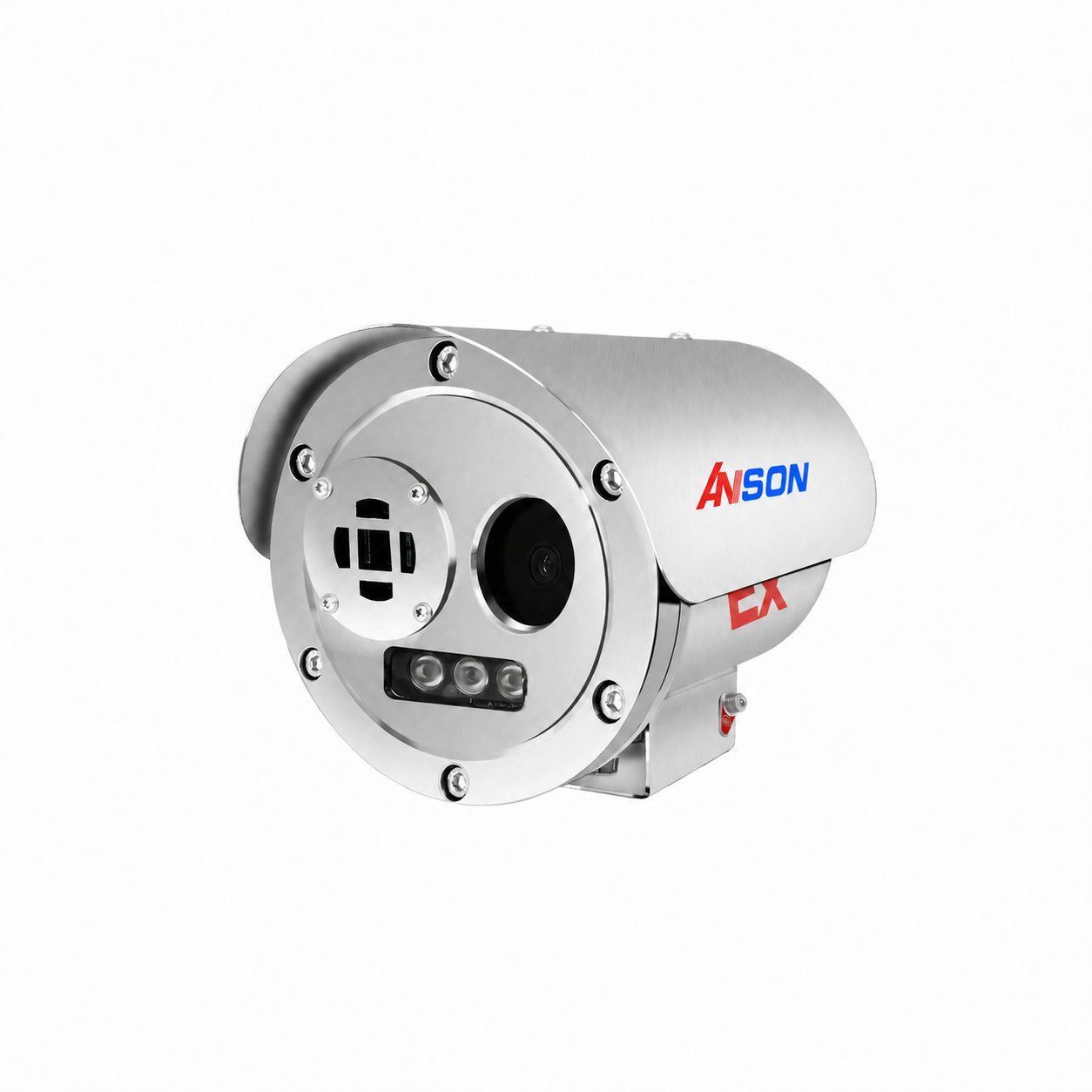
Fire Detection Thermal Camera | ATEX & IECEx Certified Explosion Proof Housing Thermal Camera
Product Overview
The Fire Detection Thermal Camera is an advanced fixed thermal imaging solution specifically engineered for continuous temperature monitoring, early fire detection, and industrial process protection in hazardous environments.
Unlike conventional CCTV cameras, this Explosion Proof Thermal Camera detects infrared radiation emitted by objects rather than visible light. It continuously monitors temperature changes, identifies abnormal heat sources, and provides automatic fire alarms long before smoke or flames become visible.
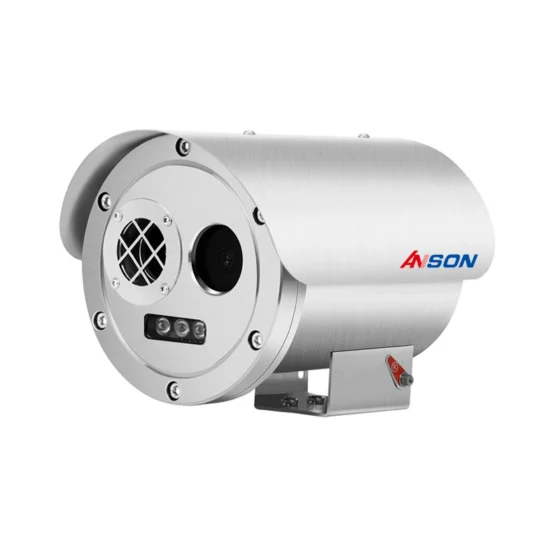
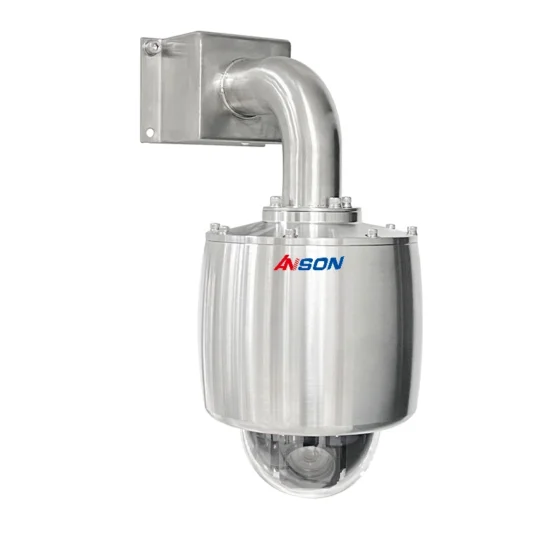
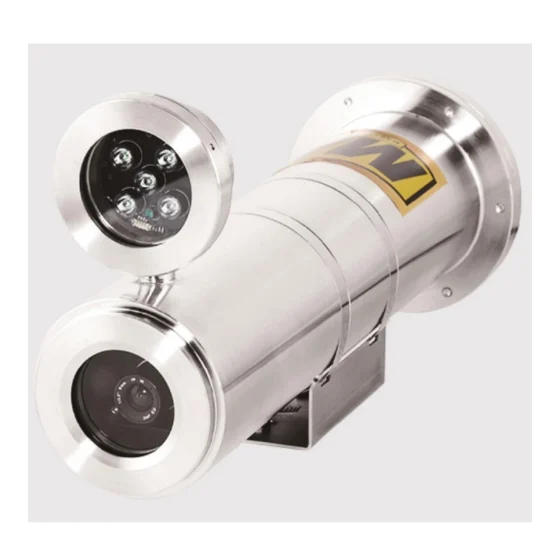
Designed with a rugged 304/316L stainless steel explosion-proof housing, the camera is certified for hazardous locations including Zone 1, Zone 2, Zone 21, Zone 22, as well as Class I Division 1 & Division 2 applications
Fire Detection Thermal Camera for Industrial Early Warning
Our fire detection thermal camera provides continuous temperature monitoring and early hotspot detection for industrial facilities, hazardous areas, storage sites, and critical infrastructure.
Unlike conventional CCTV systems that rely mainly on visible light, this thermal imaging camera detects infrared radiation emitted by objects. It can identify abnormal temperature increases before smoke or visible flames appear, helping operators respond to potential fire risks at an earlier stage.
Combining thermal imaging, high-definition visible video, accurate temperature measurement, automatic alarms, and PTZ monitoring, the system provides a complete solution for fire prevention, equipment protection, and industrial safety management.
Early Fire Detection Through Thermal Imaging
Many industrial fires begin with overheating machinery, electrical connections, stored materials, bearings, pipelines, or process equipment. These temperature changes may not be visible to the human eye or a standard surveillance camera.
The fire detection thermal camera continuously measures surface temperatures within the monitored area. When a target exceeds a configured temperature threshold—or when an abnormal temperature difference is detected—the camera can immediately trigger an alarm.
This early-warning capability gives operators more time to:
- Inspect overheating equipment
- Isolate affected machinery
- Activate fire-response procedures
- Notify control-room personnel
- Prevent equipment damage and production shutdowns
- Reduce the risk of a hotspot developing into an open fire
Key Features
Real-Time Temperature Monitoring
The camera continuously measures target temperatures and displays thermal information directly on the monitoring screen. It supports point, line, polygonal-area, and full-screen temperature measurement, allowing users to configure monitoring rules for different industrial applications.
Automatic Hotspot and Fire Alarms
Multiple temperature alarm modes help detect developing hazards:
- Over-temperature alarm
- Temperature-difference alarm
- Temperature-range alarm
- Multi-target temperature monitoring
- Configurable alarm thresholds
- Automatic notification and system linkage
When an abnormal temperature is detected, the camera can work with a VMS, NVR, alarm device, or industrial monitoring platform to support rapid response.
Thermal and Visible Dual-Spectrum Imaging
The system combines a thermal sensor with a high-definition visible-light camera.
Thermal imaging reveals heat patterns, hotspots, and temperature anomalies, while the visible camera provides recognizable details of the monitored equipment and surrounding environment. Operators can use both imaging channels to verify alarms and understand the situation more accurately.
Reliable Monitoring in Difficult Conditions
Thermal imaging does not depend on visible illumination. The camera can detect heat signatures in:
- Complete darkness
- Low-light environments
- Smoke
- Light fog
- Dusty industrial areas
- High-contrast lighting conditions
This makes it suitable for continuous day-and-night fire monitoring.
Accurate Industrial Temperature Measurement
The camera supports a broad temperature measurement range for industrial monitoring. Depending on the selected configuration, higher-temperature measurement options are available for furnaces, processing equipment, storage areas, and other demanding applications.
Typical temperature-measurement accuracy is ±2°C or ±2% of the reading, whichever is greater.
Multiple Thermal Color Palettes
Selectable thermal palettes help operators interpret temperature distribution in different environments. Available display modes may include:
- White hot
- Black hot
- Iron red
- Rainbow
- Custom thermal palettes
Explosion-Proof Protection for Hazardous Areas
An explosion-proof version is available for oil and gas facilities, refineries, chemical plants, LNG terminals, offshore platforms, tank farms, and other locations where flammable gases or combustible dust may be present.
Depending on the selected model, ATEX and IECEx-certified configurations are available, with an explosion-protection marking such as:
Ex db IIC T6 Gb / Ex tb IIIC T80°C Db
The explosion-proof enclosure prevents internal ignition sources from affecting the surrounding hazardous atmosphere.
Corrosion-Resistant Stainless-Steel Housing
The camera can be manufactured using 304 or 316L stainless steel. The rugged enclosure provides resistance to water, dust, salt spray, chemicals, and corrosive industrial environments.
An IP67-rated configuration supports reliable outdoor use in demanding weather conditions.
Industrial Applications
Oil and Gas Facilities
Monitor storage tanks, pipelines, compressors, pumps, loading areas, and processing equipment for abnormal heat buildup and early fire risks.
Refineries and Chemical Plants
Detect overheating process equipment and temperature anomalies in environments where flammable gases, vapors, or chemicals may be present.
Power Plants and Electrical Substations
Monitor transformers, switchgear, cable connections, generators, and electrical cabinets for loose connections, overloads, and overheating components.
Battery and Energy-Storage Facilities
Identify abnormal cell, module, or cabinet temperatures before thermal runaway develops into a serious fire event.
Warehouses and Material Storage
Monitor coal piles, waste storage, combustible materials, and bulk products for spontaneous heating and hidden hotspots.
LNG Terminals and Tank Farms
Provide continuous thermal surveillance around storage tanks, loading systems, pipelines, and other high-risk infrastructure.
Mining and Conveyor Systems
Detect hot bearings, overheated motors, belt friction, and temperature anomalies along conveyors and material-handling equipment.
Offshore and Marine Facilities
The stainless-steel, corrosion-resistant enclosure supports long-term deployment on offshore platforms, vessels, ports, and coastal industrial sites.
Why Use a Thermal Camera for Fire Detection?
Smoke detectors and flame detectors remain important parts of a complete fire-protection system, but they often respond after combustion has already begun.
A fire detection thermal camera adds a preventive monitoring layer by identifying abnormal heat before smoke or flame becomes visible. It also gives operators live images, temperature measurements, alarm locations, and visual verification from a safe distance.
The system is particularly useful when:
- Large outdoor areas must be monitored
- Equipment operates continuously
- Early temperature changes indicate developing faults
- Conventional sensors cannot cover every target
- Darkness, smoke, or difficult lighting affects visible cameras
- Remote verification is required before personnel enter the area
Advantages of Our Fire Detection Thermal Camera
- Detects developing hotspots before visible fire
- Provides continuous, non-contact temperature monitoring
- Combines thermal and visible video
- Supports automated alarms and remote notification
- Covers large areas through PTZ patrols
- Operates during the day and at night
- Integrates with existing NVR and VMS platforms
- Offers stainless-steel and explosion-proof configurations
- Supports customized thermal sensors, lenses and measurement ranges
- Suitable for fixed-site and hazardous-area installations
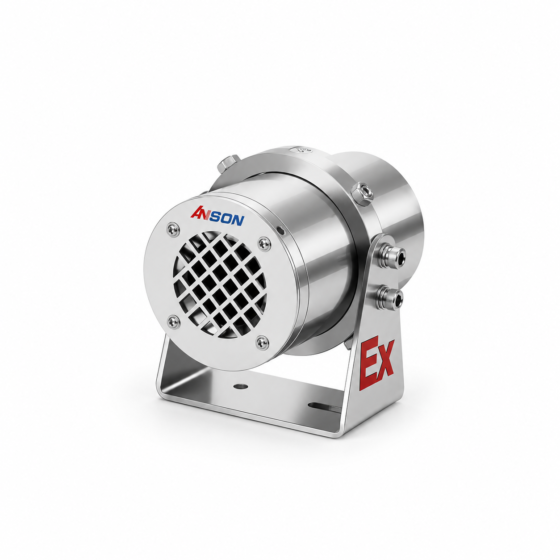
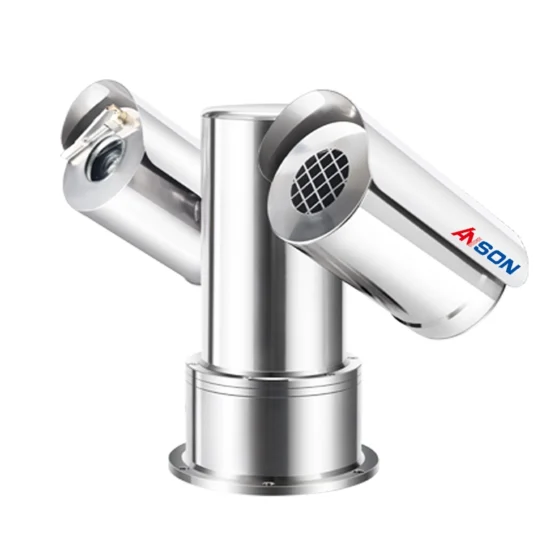
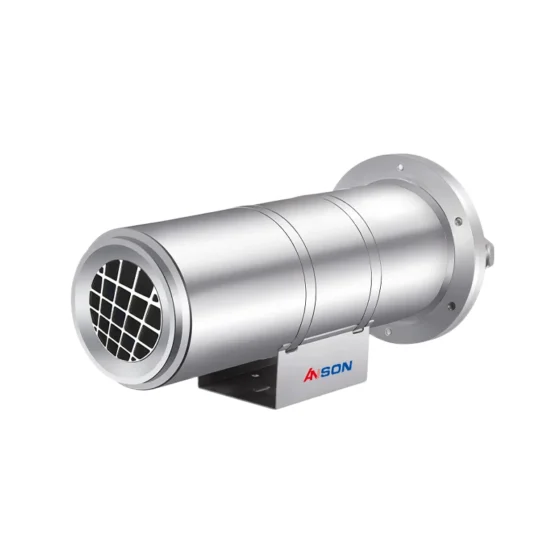
It can also be combined with:
Contact Us
Looking for a reliable explosion proof thermal imaging solution?
Contact us for:
- Project consultation
- Technical specification support
- OEM / ODM customization
- Industrial system integration solutions
- Bulk project quotation
WeChat
Scan the QR Code with wechat